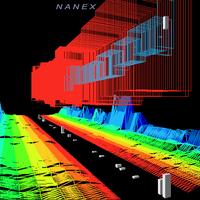
Picture the scrum of the stock exchange -- the flurry of buying and selling, the split-second decisions that make and break fortunes. Then take out all the humans and accelerate everything until you literally can't keep up. Jad visits the inhumanly fast world of modern-day, high-speed trading with NPR's David Kestenbaum.
Comments [20]
http://www.worldatlas.com/webimage/countrys/namerica/usstates/timezone.htm
I was checking proper time zone for a job training web meeting tonight and discovered that the Eastern Time Zone clock on this site is part of a second faster than the time for the rest of the country. I would not have noticed without the new awareness of the relevance of speed equity reported 11.18. Seems quirky that the rest of the country, on this set of timing reports, are in lock step while East Coast has an obvious edge.
Unrelated point - When digital SLR cameras came out, the initial lag time between click to shoot and shutter opening proved to be a nightmare for this photographer.
They mentioned everyone having a truce.. but no takers.... so why didn't they suggest legislation that no transactions can take place in less than a quarter second with a random number generator (from static in the sky, not a number list) adding between 0 and another quarter second.
Love it! 1 ft of cable=1 nanosecond!
great I never new of such thing ever existed, keep up the great work
I wonder how you guys feel about this story now since the publishing of Flash Boys? You got the technical details right, but the conclusions as to the ramifications of high speed trading? Not so much.
You should do a follow-up since you were probably the first non-technical place that did a story on this topic.
Hello Radiolab! Did you guys see this piece in the New York Times today : http://www.nytimes.com/2014/04/06/magazine/flash-boys-michael-lewis.html?hp&_r=0&assetType=nyt_now
I first understood why speed mattered in hft after this episode, and the nytimes article is on how people gamed that speed and how one man took a stand (+ convinced others to stand with him) to say this was not right. Would love to see a follow up episode about the IEX exchange.
Awesome segment as always. Radiolab has a knack for taking otherwise dry topics and getting them to appeal to us on a primal emotional level.
What was the music at the end of the segment? It's the electronic "Hearts of Space" style music that alternates between the D major and B flat major chords.
seems like a solution to end the race would be to have the market computers collect requests and acknowledge them all at set intervals simultaneously (fixed updates?). but this race is sure to have some awesome technological side effects.
would something like that limit the trade productivity too much? what sort of issues would this cause?
FIle not found :(
In regard to Bret's question, the music is Ruckzuck by Kraftwerk. It was featured as the introduction theme to Newton's Apple starting in 1983.
I loved that you put this piece into the show. I thought about that from the first minute of the podcast!
here's a great doc video about the insanity of stock-market speed:
http://topdocumentaryfilms.com/money-speed-inside-black-box/
Regarding the music from the trading segment - is it the music from 3 2 1 contact?
Frank Partnoy wrote a "Wait: The Art and Science of Delay," a book I've heard reviewed a number of times. One story he shares is about UNX and their stock trading computers being too fast. They were doing great in California but when they moved to New York Stock Exchange they eventually had to build a delay into the computers. The opposite of this story.
http://thedianerehmshow.org/shows/2012-07-10/frank-partnoy-wait-art-and-science-delay/transcript
Here is a link to the Grace Hopper nanosecond explanation. She would have loved Radiolab!
http://youtu.be/JEpsKnWZrJ8
Question about the podcast: what's the music you used starting around 26:25 (time based on the entire podcast)? I recognize it as something that might have been a theme song on a show I watched when I was a kid, but I can't figure out how I know it, and it's driving me crazy!
I remember the flash-crash clearly. I was in the kitchen listening to NPR and heard reports of the dow plummeting. My first thought was: damned computers! My second thought was: I have to log on and put any available money into a Dow indexed fund quick!
But of course my trading site was clogged with users and I couldn't get in until the window had passed.
Damned computers!
A consequence of turning over the trading to computers is...the humans who formerly had those jobs have to find something else to do. A question I have that I realize was off-topic (but could be answered in its own segment) is: what do those disenfranchised human traders do now that their jobs are performed by computers?
There is a great article that came out in Wired magazine that is a good companion piece to this episode. Click here: http://wrdm.ag/NpUjly
What if each stock market assigned a random delay (perhaps a number between 0 and 1 seconds) to all incoming transactions and outgoing information transmissions? Would that be enough to end the 'speed' wars? There would still be a bias toward those with speeder connections, but it seems this idea *might* remove much of the incentive that drives this obligatory behavior and expense.
Fantastic segment. I am a mad, passionate fan of Planet Money and RadioLab. What a great combination!
Leave a Comment
Email addresses are required but never displayed.